 Facts
About JapanFacts
About Japan
Facts
About JapanFacts
About Japan
Flag 
LAND
Location:
135
degrees east longitude, and stretches from the tropic of Cancer in the
south and to 45 degrees north latitude in the north.
70% of Japan's land
are mountains
Area:
377,801 sq. km (145,870 sq. mi).
Capital
and largest
city: Tokyo (1991 est. pop., 8,154,404).
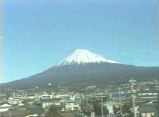
Elevations:
Highest: Mount
Fuji, 3,776 m (12,388 ft);
Lowest: sea
level, along the coast.
PEOPLE
Population
(1993 est.): 124,800,000; density: 330 persons per sq. km (856 per sq.
mi).
Distribution
(1992): 77% urban, 23% rural.
Annual
growth
(1992): 0.4%.
Official
language: 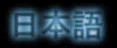 Japanese/Nihongo
Major religions:
Buddhism, Shinto.
EDUCATION AND
HEALTH
Literacy
(1998): virtually 100% of adult population.
Universities
(1998 est.): 500.
Hospital
beds (1990):
1,677,000.
Physicians
(1990): 210,197.
Life
expectancy
(1997): women--82; men--77.
Infant
mortality
(1996): 10 per 1,000 live births.
ECONOMY
GDP (1991):
$2.37 trillion; $19,107 per capita.
Labor distribution
(1992): commerce and services--54%; manufacturing--25%;
construction--9%; agriculture and fishing--7%;
government and public services--3%.
Foreign trade
(1992 est.): imports--$231 billion; exports--$337
billion; principal trade
Partners:
United States, China, Germany, South Korea,
Taiwan.
Currency: yen.
GOVERNMENT
Type:
constitutional monarchy.
Government
leaders
(1994): Akihito--emperor; Hosokawa Morihiro--prime minister.
Legislature:
Diet.
Political
subdivisions:
47 prefectures.
COMMUNICATIONS
Railroads (1991):
38,125 km (23,690 mi).
Roads (1991):
1,115,000 km (693,207 mi) total.
Major ports:
18.
