 JAPAN
JAPAN

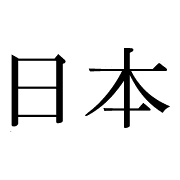
The name Japan is based on the Chinese reading of the name Nihon or
Nippon, which means "land of the rising sun."
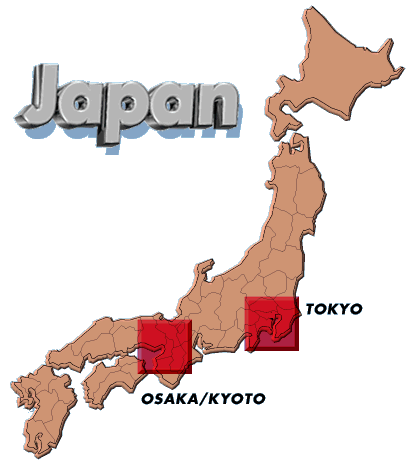 Japan lies at
around 135 degrees east longitude, and stretches from the tropic of Cancer
in the south and to 45 degrees north latitude in the north.
Japan lies at
around 135 degrees east longitude, and stretches from the tropic of Cancer
in the south and to 45 degrees north latitude in the north.
Comprising four main islands and covering 380,000 square kilometers,
Japan is an island country with four distinct seasons, and is located in
the temperate zone. Generally speaking, it is hot and humid in summer,
and cold and dry in winter. Typhoons hit Japan several times from summer
to autumn.


 The population
of Japan is approximately 125,000,000. Tokyo, the capital of the country
has a population of about 11,500,000, and there are twelve other cities
which hold more then 800,000 people.
The population
of Japan is approximately 125,000,000. Tokyo, the capital of the country
has a population of about 11,500,000, and there are twelve other cities
which hold more then 800,000 people.
 In the 6th century,
Japan was unified into one nation. Since then, Japan has developed its
unique culture, intermittently having trade and cultural exchange with
China, but thankfully avoiding invasion by other countries. In the middle
of the 19th century, Japan started to introduce Western culture and achieved
rapid industrial development.
In the 6th century,
Japan was unified into one nation. Since then, Japan has developed its
unique culture, intermittently having trade and cultural exchange with
China, but thankfully avoiding invasion by other countries. In the middle
of the 19th century, Japan started to introduce Western culture and achieved
rapid industrial development.

 Although the
Second World War severely damaged the country, Japan succeeded in recovering
rapidly, and grew into one of the largest economies in the world.
Although the
Second World War severely damaged the country, Japan succeeded in recovering
rapidly, and grew into one of the largest economies in the world.
 Japan has a
system of parliamentary democracy with the House of Representatives and
the House of Councilors.
Japan has a
system of parliamentary democracy with the House of Representatives and
the House of Councilors.
The number of people who received higher education is very large in Japan, thus leading to high educational standard in the country . Medical technology is also advanced in Japan, where people enjoy the longest longevity in the world.
 This is a unique
aspect of Japan. Although it is an advanced country with modern technology,
Japan still retains the cultural traditions that have been nurtured from
ancient times.
This is a unique
aspect of Japan. Although it is an advanced country with modern technology,
Japan still retains the cultural traditions that have been nurtured from
ancient times.
Japan has a deep interest in environmental problems and has developed
state-of-the-art technologies to prevent pollution. Local governments and
various educational institutes nationwide are currently cooperating with
each other to address these problems.